Flowers as Natural Boosters for Mood and Well-Being
Posted on 23/08/2025
Flowers as Natural Boosters for Mood and Well-Being
Imagine a world filled with the vibrant colors, sweet scents, and delicate forms of blooming flowers. Now, imagine feeling a little lighter, happier, and more relaxed simply by bringing a touch of that natural beauty into your life. This isn't just poetic thinking—flowers are, in fact, natural mood boosters that can significantly contribute to our sense of well-being. In this comprehensive guide, we explore how flowers can enhance mental health, relieve stress, and promote happiness.
How Flowers Affect Our Mood and Emotional Health
The connection between flowers and mood enhancement has been recognized for centuries. From ancient traditions to modern scientific studies, there's growing evidence that flowers can positively influence emotional wellbeing. But how does this happen? Let's delve into the reasons why flowers are natural boosters for our mental health.
The Psychology Behind Flowers and Happiness
Why do flowers make us feel good? Humans are naturally drawn to nature. Biophilia theory suggests that people have an inherent affinity towards nature and living things. Flowers, with their lively colors and fragrances, evoke positive emotions and can trigger the release of feel-good chemicals in the brain, such as dopamine, serotonin, and oxytocin.
- Visual Appeal
The vibrant hues and symmetrical patterns of flowers provide a visual feast, stimulating the brain's pleasure centers. - Aromatic Influence
Many floral scents act as aromatherapy, scientifically proven to reduce anxiety and elevate mood. - Symbolism and Meaning
Flowers are often associated with growth, hope, and renewal, making them powerful symbols during emotional lows.
The Science of Flowers: Evidence-Based Benefits
Several studies highlight the impact of flowers on psychological well-being. One notable study conducted by Rutgers University found that flowers have an immediate impact on happiness and a lasting effect on mood. Participants who received flowers displayed genuine smiles--called Duchenne smiles--demonstrating true joy.
Key scientific findings include:
- Reduced Stress: The presence of flowers in a room significantly lowers cortisol levels, leading to stress reduction.
- Improved Concentration: University studies have shown that workers in flower-filled environments are more productive and creative.
- Strengthened Relationships: Gifting flowers fosters social connection and can boost feelings of appreciation and love.
Popular Mood-Boosting Flowers and Their Benefits
Not all flowers are created equal when it comes to boosting mood and well-being. Here is a selection of the most popular and effective flowers for emotional wellness:
1. Sunflowers
- Benefits: Sunflowers radiate positivity. Their vibrant yellow petals evoke warmth and happiness. Symbolizing loyalty and longevity, these flowers can quickly cheer up any space.
- How to Use: Place a vase of sunflowers in living spaces to create a sunny and uplifting environment.
2. Lavender
- Benefits: Lavender is famous for its relaxing properties. Its soothing fragrance reduces stress, combats anxiety, and promotes restful sleep.
- How to Use: Keep dried lavender bouquets in bedrooms or use lavender-infused oils to experience calming effects.
3. Roses
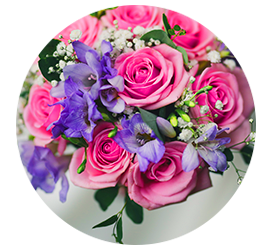
- Benefits: Widely recognized as symbols of love, roses can evoke feelings of affection, warmth, and gratitude, which are essential for emotional well-being.
- How to Use: Regularly having fresh roses around can help maintain a positive and nurturing ambiance in the home.
4. Jasmine
- Benefits: Jasmine's intoxicating scent helps alleviate mood disorders and has even been shown to increase energy levels and improve alertness.
- How to Use: Add jasmine plants to your home garden or use jasmine essential oils for daily aromatherapy.
5. Daisies
- Benefits: These cheerful blooms symbolize innocence and renewal. Their simple beauty is uplifting, especially during difficult times.
- How to Use: Incorporate daisies into flower arrangements for bright, optimistic decor.
6. Peonies
- Benefits: Peonies are often linked to prosperity, good fortune, and compassion. Their luscious, fragrant blooms can instantly elevate mood.
- How to Use: Arrange peonies in the foyer or living room to fill your space with feelings of abundance.
7. Orchids
- Benefits: Orchids symbolize strength and beauty. These exotic flowers provide a sense of tranquility and are known to help concentration.
- How to Use: Place orchids in your workspace for a calming and inspiring atmosphere.
How to Integrate Flowers into Daily Life for Improved Well-Being
Now that we know which flowers to choose, let's explore practical ways to use flowers as mood enhancers in daily life.
1. Decorate Living Spaces
Strategically placing fresh bouquets or potted plants in your home offers instant visual and psychological uplift. Bedrooms, work desks, dining tables, and bathrooms are all ideal spots to display flowers for continuous mental benefits.
2. Practice Floral Arranging
Floral arranging is not just a creative outlet--it's also meditative. Selecting, trimming, and arranging flowers can be a mindful ritual that helps calm the mind and focus attention on the present moment.
3. Use Flowers in Self-Care Routines
- Baths: Sprinkle rose petals, lavender blooms, or jasmine buds in your bath for a luxurious and therapeutic experience.
- Aromatherapy: Use essential oils from flowers or simply inhale the natural scent directly from fresh blossoms.
4. Engage in Flower Gardening
Gardening takes the mood-boosting benefits of flowers to another level. Tending to plants can decrease symptoms of depression and anxiety, giving you a sense of accomplishment as you nurture them through each stage of growth.
5. Give the Gift of Flowers
Gifting flowers isn't just a thoughtful gesture; it's a powerful way to foster social connection and express emotions. Whether it's to celebrate milestones, offer comfort, or simply make someone's day, flowers can strengthen bonds and generate joy.
The Role of Floral Scents in Emotional Wellness
Floral aromas are potent natural remedies for many emotional challenges. Aromatherapy uses the volatile compounds found in flowers to stimulate brain regions associated with emotion and memory.
- Lavender: Calms nerves and encourages deep sleep.
- Jasmine: Uplifts mood and battles fatigue.
- Rose: Alleviates symptoms of depression and anxiety.
- Geranium: Restores emotional balance and reduces stress.
You can enjoy these benefits by adding a few drops of essential oil to a diffuser, pillow, or bathwater. For a simpler approach, take a moment each day to inhale the fragrance of fresh flowers in your home or garden.
Flowers in Cultural and Healing Traditions
Throughout history, flowers have played vital roles in spiritual, cultural, and healing practices. People turned to flowers as mood boosters and symbols of well-being thousands of years ago, and these traditions continue today.
Bouquets in Celebrations and Rituals
In almost every culture, flowers are central to ceremonies—from weddings and birthdays to funerals and memorials. Their presence marks transitions, brings comfort, and embodies both shared and personal emotions.
Flowers in Traditional Medicine
- Chinese and Ayurvedic medicine use blossoms like chrysanthemum, jasmine, and rose to treat a range of conditions related to stress and emotional distress.
- Flower Essences are used in homeopathy and alternative medicine to balance mood and energy.
Maximizing the Benefits: Tips for Choosing and Caring for Flowers
- Choose Seasonal and Local Blooms: Fresh, vibrant flowers are more likely to have intact fragrances and bold colors.
- Care for Cut Flowers: Change water daily, trim stems at an angle, and remove any wilted leaves to extend the life of your bouquet.
- Grow Indoor Plants: Many flowering plants thrive indoors. Choose those that suit your lifestyle and environment for ongoing mood enhancement.
- Personalize Your Selection: Select flowers whose colors and scents resonate with your personality and preferences. This personal connection maximizes their emotional impact.

Flowers Are Nature's Mood Medicine
Incorporating flowers into your environment isn't just about beautifying your space. Their profound psychological and physical influences make them powerful allies in the quest for happiness, calm, and positive relationships. Whether you're choosing blooms for yourself or giving them to others, the ripple effects on mood and well-being are undeniable.
Summary of Key Benefits of Flowers for Mood and Well-Being
- Instant stress relief and relaxation
- Promotion of happiness and emotional balance
- Strengthened love and social bonds
- Enhanced productivity and mental clarity
- Rich cultural and symbolic significance
Conclusion: Embrace the Power of Flowers for a Happier, Healthier Life
The evidence is clear: flowers are natural boosters for mood and well-being in every sense. From their visual and aromatic allure to their deep-rooted presence in tradition and healing, flowers offer simple yet profound ways to enrich our daily lives. By inviting their beauty and energy into your home or workplace, you not only elevate your surroundings but also nurture your mind and spirit.
Start with a single bouquet or even one potted plant—watch as your environment, mood, and overall well-being naturally blossom.
Latest Posts
Flowers as Natural Boosters for Mood and Well-Being
Achieve Greater Durability with Poinsettias
Learn three innovative ways to conserve your floral beauties